

Why Idiots Become President and the Virtuous are Ignored
The Machiavellian Dynamics That Shape Modern Power

Scandalous politicians, clueless CEOs, and leaders cut off from reality repeatedly dominate the headlines. And yet, they remain at the helm, fingers poised over nuclear buttons, their whims shaping the lives of entire nations.
The mystery is as old as politics itself. Why does bluster triumph over wisdom, image over substance? The question haunts democracies and dictatorships alike, leaving citizens eventually outraged, bewildered, and resigned.
The uncomfortable truth may be that power does not reward the best and most virtuous among us; it rewards those most willing to seize it at any cost. As Niccolò Machiavelli observed half a millennium ago, politics is not a contest of virtue but of appearances, cunning, and manipulation. Leaders do not need to be good; they need only to look strong, decisive, and in control. And in that game of illusions, the ‘idiots’ we mock may not be idiots at all, but rather opportunists who understand, instinctively, how to bend human weakness to their advantage. Donald Trump is one such opportunist.
Virtue vs. Realpolitik
Machiavelli, the Florentine diplomat and author of The Prince, rather cynically rejected the notion that leaders should strive to be ‘good’ and moral. Perhaps in an attempt at realism, he argued instead that the most effective rulers understood the flaws of human nature and learned to exploit them. That the appearance of virtue mattered more than virtue itself.
Donald Trump embodies this lesson. By most conventional measures, policy knowledge, discipline, and decorum, he was shockingly unprepared for the presidency. Yet his ability to project strength, defiance, and certainty won over millions. He understood, instinctively, that politics is not about truth, but about narrative. A polished reputation for wisdom is less effective than a commanding appearance of decisiveness. And when reality clashed with his image, he doubled down on the performance.
Trump’s presidency was and is defined by this ruthless pragmatism. He treated institutions not as guardians of democratic norms but as tools to be bent toward personal survival. Cabinet members, intelligence chiefs, and even allies in Congress were discarded the moment they threatened his image of control.
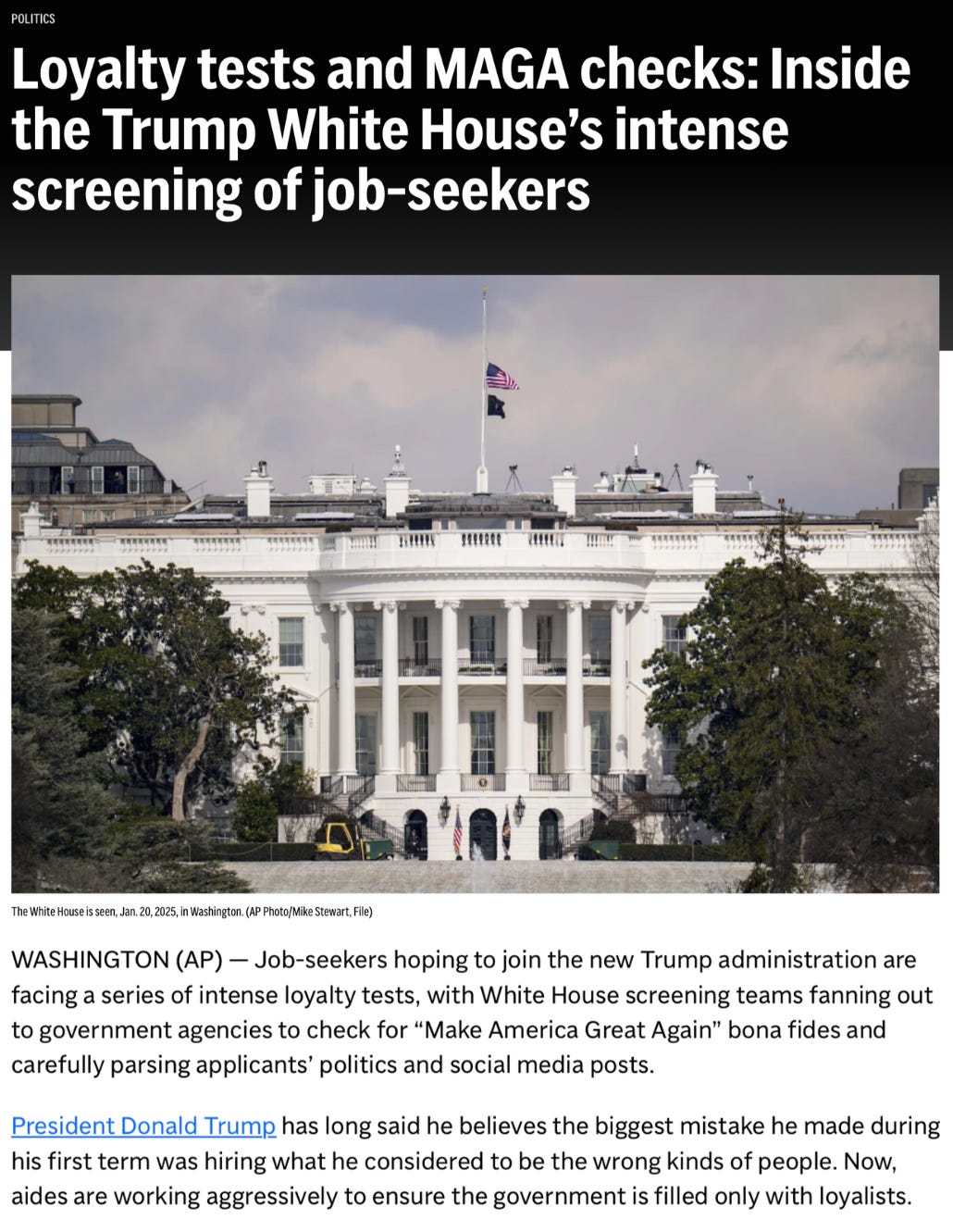
Foreign policy, too, was filtered through the same lens: alliances were transactional, loyalty was valued over principle, and decisions were framed not in terms of long-term strategy but in how they reinforced his immediate narrative of strength. In true Machiavellian fashion, Trump’s realpolitik lay in his refusal to be constrained by morality or precedent; he understood that in politics, appearances of dominance could be more powerful than the substance of governance itself.
Virtù: Skill, Not Goodness
Machiavelli’s ‘virtù’ is this very skill: the ability to seize opportunity and bend fortune to one’s will. Trump’s rise reflected this. He did not study policy like a scholar, but he most definitely mastered the spectacle. His rallies, Twitter feed and press conferences were theatre. He dominated news cycles through provocation.
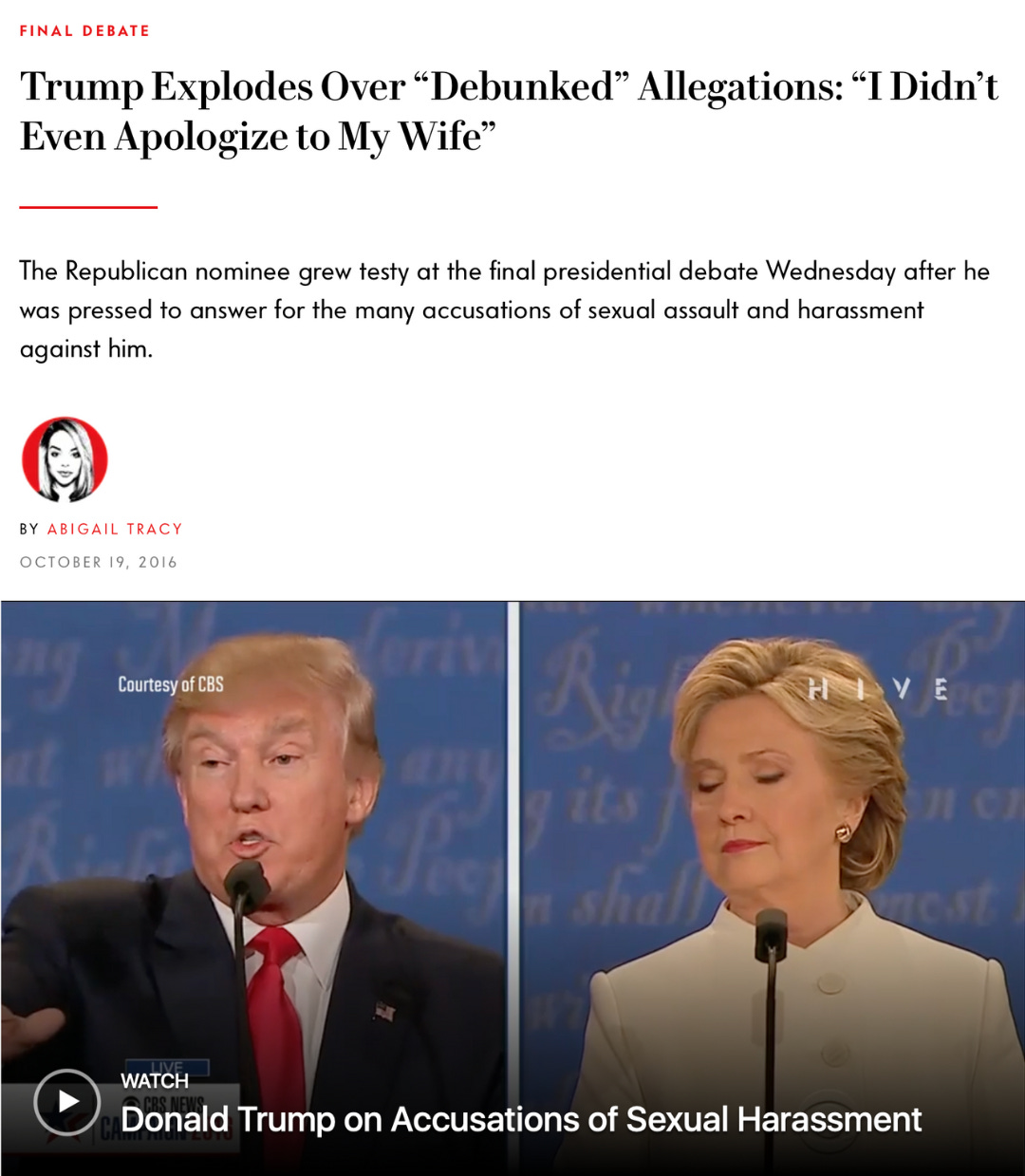
Consider his handling of scandals. Where another politician might have apologised or resigned in an attempt to salvage the image of virtue, Trump often escalates, attacking his accusers and reframing himself as the victim of a corrupt system. By doing so, he projected control. Machiavelli would have recognised this as virtù: not wisdom or virtue, but the ruthless flexibility to seize opportunity and crush threats.
Genuine goodness is fragile: it is dependent on trust, on reciprocity, on the hope that others will meet sincerity with fairness. Cunning, on the other hand, exploits the cracks in human psychology: our tendency to follow confidence, to seek certainty, to mistake boldness for competence. In this light, it is not surprising that the ruthless so often triumph over the righteous.
Manipulation and the Illusion of Control
Machiavelli recognised that power is sustained not through flawless governance, but through the careful management of appearances, by scripting the narrative, shaping collective belief, and constructing the illusion of strength even where none exists. In psychological terms, this is impression management: the leader as performer, calibrating symbols and rhetoric to elicit confidence and obedience.
Donald Trump personifies this dynamic with uncanny instinct. When economic cracks appeared or the pandemic exposed glaring shortcomings, he reflexively shifted responsibility outward, casting blame on China, on hostile media, on political rivals. When facts threatened to erode his image, he did not retreat; he countered with repetition, broadcasting his preferred version of reality until it felt, to many, indistinguishable from truth. Psychologists call this the “illusory truth effect”: the more often a claim is repeated, the more credible it feels, regardless of evidence.
Exploiting Human Weakness
Machiavelli was blunt about human nature: people are motivated by fear, greed, and vanity. Successful rulers exploit these drives. Trump’s playbook mirrors this insight.
Fear: Historically, fear is perhaps the most powerful political tool. It heightens vigilance, narrows focus, and drives people toward strong authority figures. Trump wielded it relentlessly, portraying immigrants as invaders, casting elites as corrupt enemies (despite arguably being one himself), and amplifying conspiracy theories about hidden plots against ordinary Americans. By presenting himself as the sole defender against chaos, he positioned fear as the glue that bound followers to him.
Greed (or desire): Humans are motivated by the promise of gain as much as by the avoidance of loss. Trump understood this, framing his campaign as a golden ticket to restored prosperity. The slogans were simple and evocative: “jobs coming back,” “factories reopening,” “America winning again.” This promise of abundance, often untethered from economic reality, appealed to the deep-seated desire for security and status. It was a carrot dangled before a weary public, and many chose to believe it.
Flattery (vanity): Perhaps Trump’s most effective tool was his instinct for flattery. He told his supporters they were special, the “forgotten men and women” whose greatness he alone could restore. He did not just promise to lead them; he validated their identity, their worth, and their grievances. Psychologically, this fed their need for recognition and dignity. To attack Trump became, in their minds, an attack on them. In this way, loyalty hardened, not just to the man, but to the symbolic self he reflected back to them.
These were not accidents. They were tactics as old as politics itself, wielded with the intuitive cunning Machiavelli described centuries ago.
When Illusions Fracture
Yet Machiavelli also warned of the fragility of deception. Lies demand constant reinforcement; once cracks form, the illusion requires ever more energy to sustain. Followers, too, are not infinitely pliable. Cognitive dissonance, when reality persistently clashes with belief, eventually erodes even the most fervent loyalty. Illusions work, until they don’t.
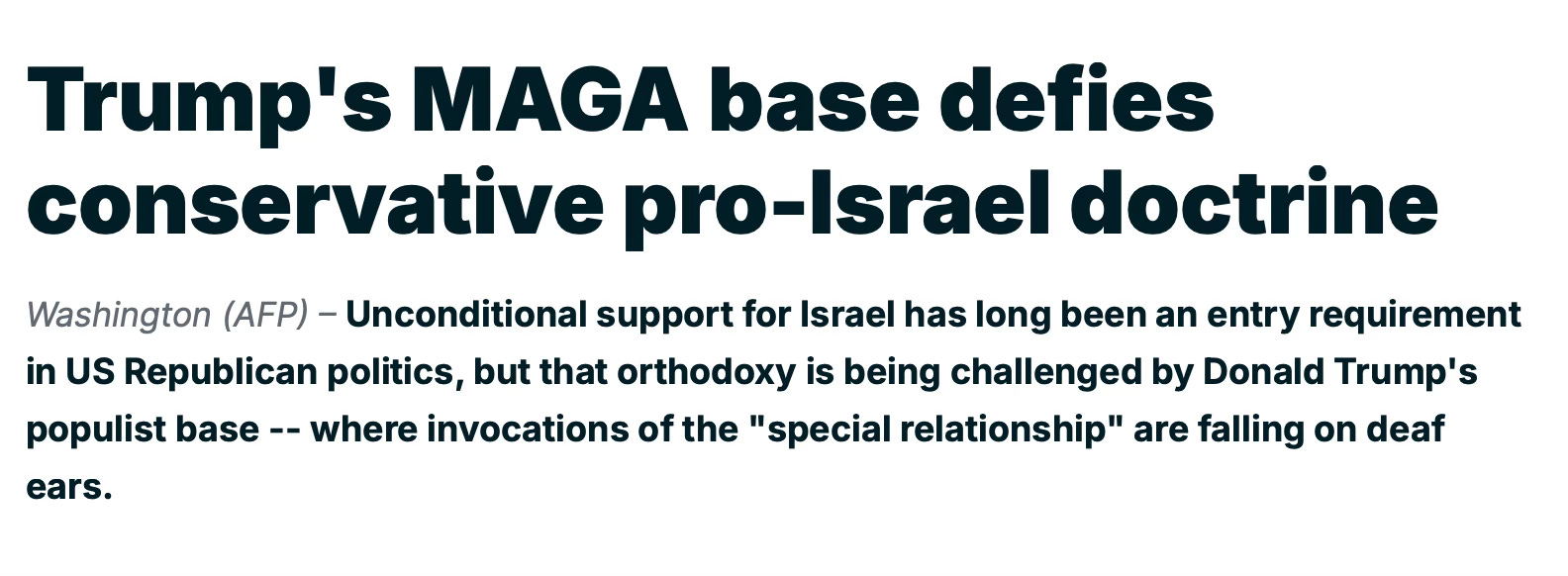
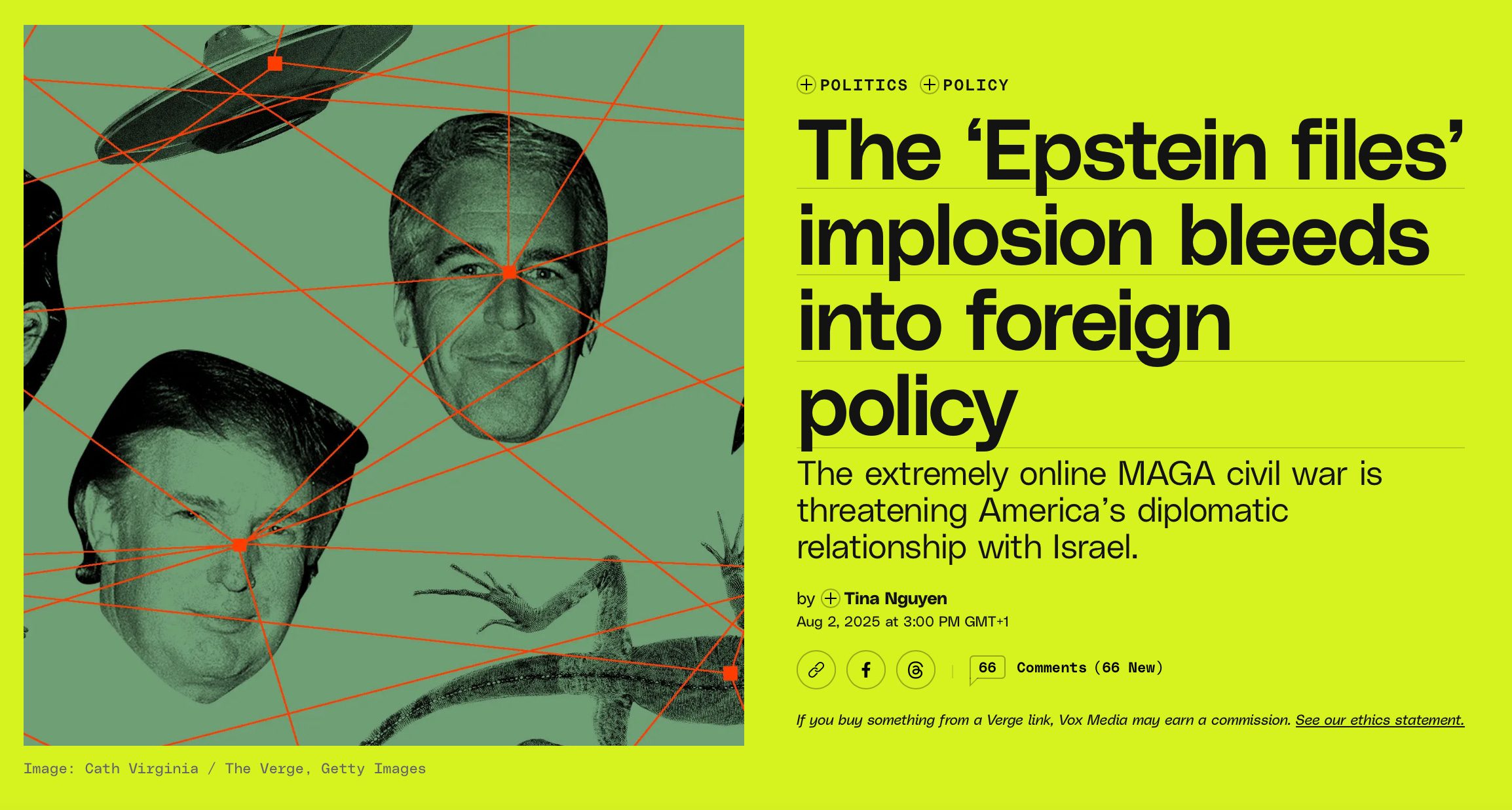
In Trump’s case, that pressure point may now be arriving. His unapologetic support for Israel, even amid widespread outrage over the Genocide in Gaza, has fractured and alienated segments of his base, particularly younger, populist-leaning conservatives uneasy with foreign entanglements and humanitarian costs. At the same time, his refusal to release the Epstein files, a promise long wielded as a badge of purity, has cracked his loyal MAGA coalition. Demands for transparency, once a unifying call, now amplify disillusionment as supporters question whether they were baited into conspiracy rather than clarity
Machiavelli would not have been surprised. He knew that fear and manipulation can sustain power only so long before cracks appear. And when they do, the fall can be sudden and brutal.
It is tempting to view Trump as an anomaly. But he is not. He is a symptom of a deeper truth: societies often reward confidence over competence, spectacle over substance, manipulation over wisdom. Machiavelli forces us to face this uncomfortable reality.


References:
Machiavelli, N. (1998) The Prince. Translated by H.C. Mansfield. Chicago: University of Chicago Press.
Peter, L.J. and Hull, R. (1969) The Peter Principle: Why Things Always Go Wrong. New York: Harper & Row.
Paulhus, D.L. and Williams, K.M. (2002) ‘The Dark Triad of personality: Narcissism, Machiavellianism, and psychopathy’, Journal of Research in Personality, 36(6), pp. 556–563.
BRAVO, Zahra! You are one of the most perceptive and insightful voices on Substack. I sense that we are nearing the point in the story where the little girl who insists that the emperor has no clothes is proven right, to the satisfaction of nearly everyone. The narratives spun by the powerful are shredding before the eyes of the public. They are tired of being fooled. New technologies broadcasting sharp images that contradict official narratives have accelerated what Abraham Lincoln described nearly two centuries ago:
"You can fool all of the people some of the time; you can fool some of the people all of the time, but you can't fool all of the people all of the time."
“ Trump has child-like behavior. He doesn’t know right from wrong. He doesn’t have the capacity to be president. 🧐🧐🧐